
This post is sponsored by Dyper, opinions are my own.
By Dr. Sheilagh Maguiness, Double board certified Pediatric Dermatologist
As a pediatric dermatologist, I spend my days looking closely at babies' skin, and diaper rash is one of the most common reasons parents bring their little ones into my clinic. What most parents don't realize is that the ingredients in a diaper can be just as responsible for skin reactions and rashes as how often the diaper is changed.
An infant's skin isn't just a tiny version of adult skin. It's thinner, more permeable, and still building the protective barrier that keeps irritants out and moisture in. That barrier is in near-constant contact with a diaper, in a warm, moist environment that's practically an invitation for irritation. So when I look at a diaper, I'm not just thinking about absorbency - I'm thinking about everything that touches that delicate skin for up to 12 hours a day.
The Ingredients I Look For and What to Avoid:
There are a few common diaper ingredients that I routinely counsel families to steer away from, especially for babies prone to eczema, allergies, or recurring diaper rash:
- Dyes: added purely for aesthetics, with no benefit to skin and real potential to trigger contact irritation.
- Fragrance: one of the most common causes of allergic contact dermatitis in children, and entirely unnecessary in a product worn against the skin all day.
- Lotions: often contain preservatives and emulsifiers that can sensitize skin over repeated exposure, particularly on skin that's already irritated or broken down.
- Phthalates: plasticizing chemicals I prefer to see eliminated altogether from anything in prolonged contact with a baby's skin.
Many diapers marketed as "premium" or "clean," use plastic-based liners and may include dyes or lotions that can be problematic for babies with eczema or reactive skin. And in most legacy brands, plastic components still make up the majority of the diaper construction in addition to the presence of fragrance and lotions. For my most sensitive patients, those ingredients often contribute to recurring irritation.
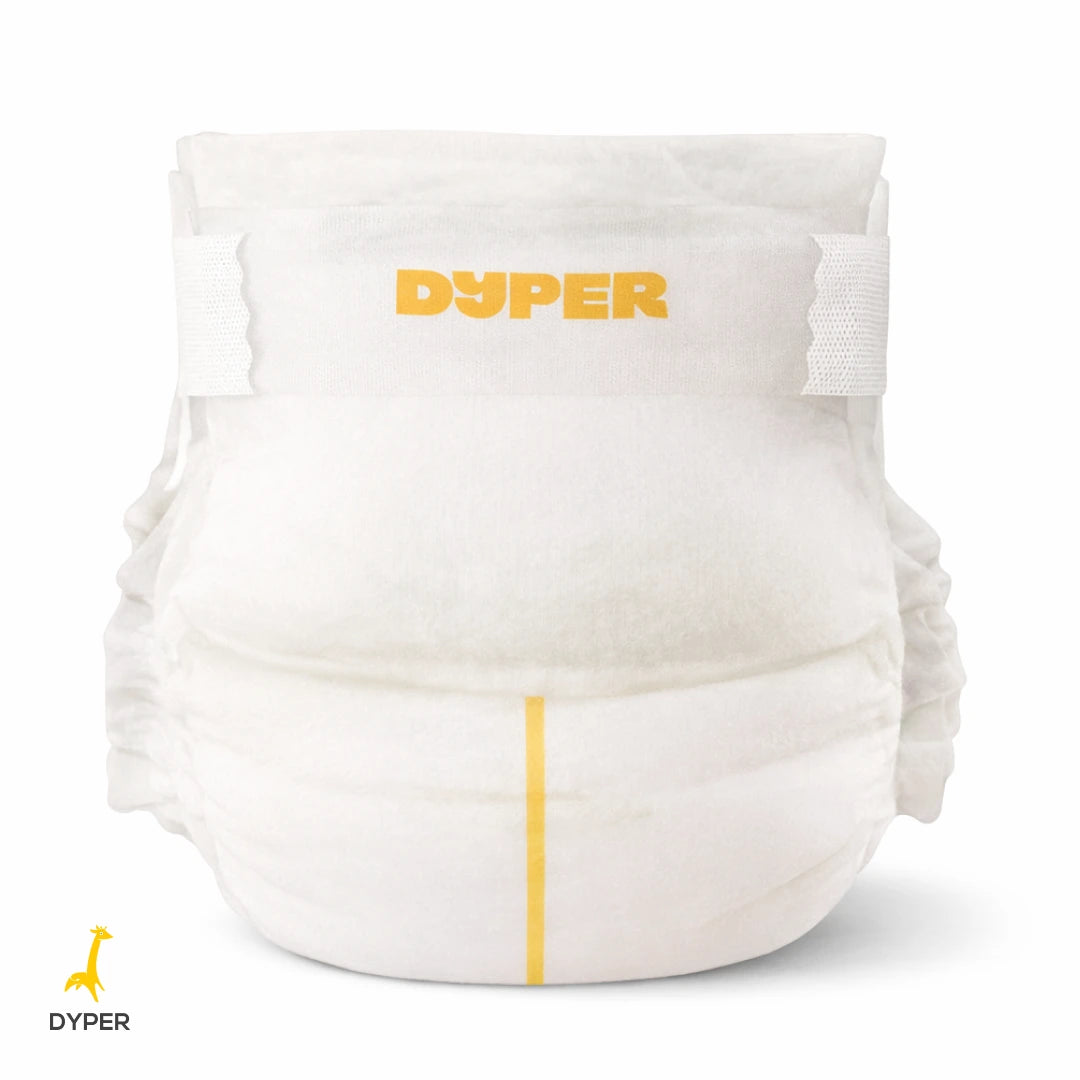
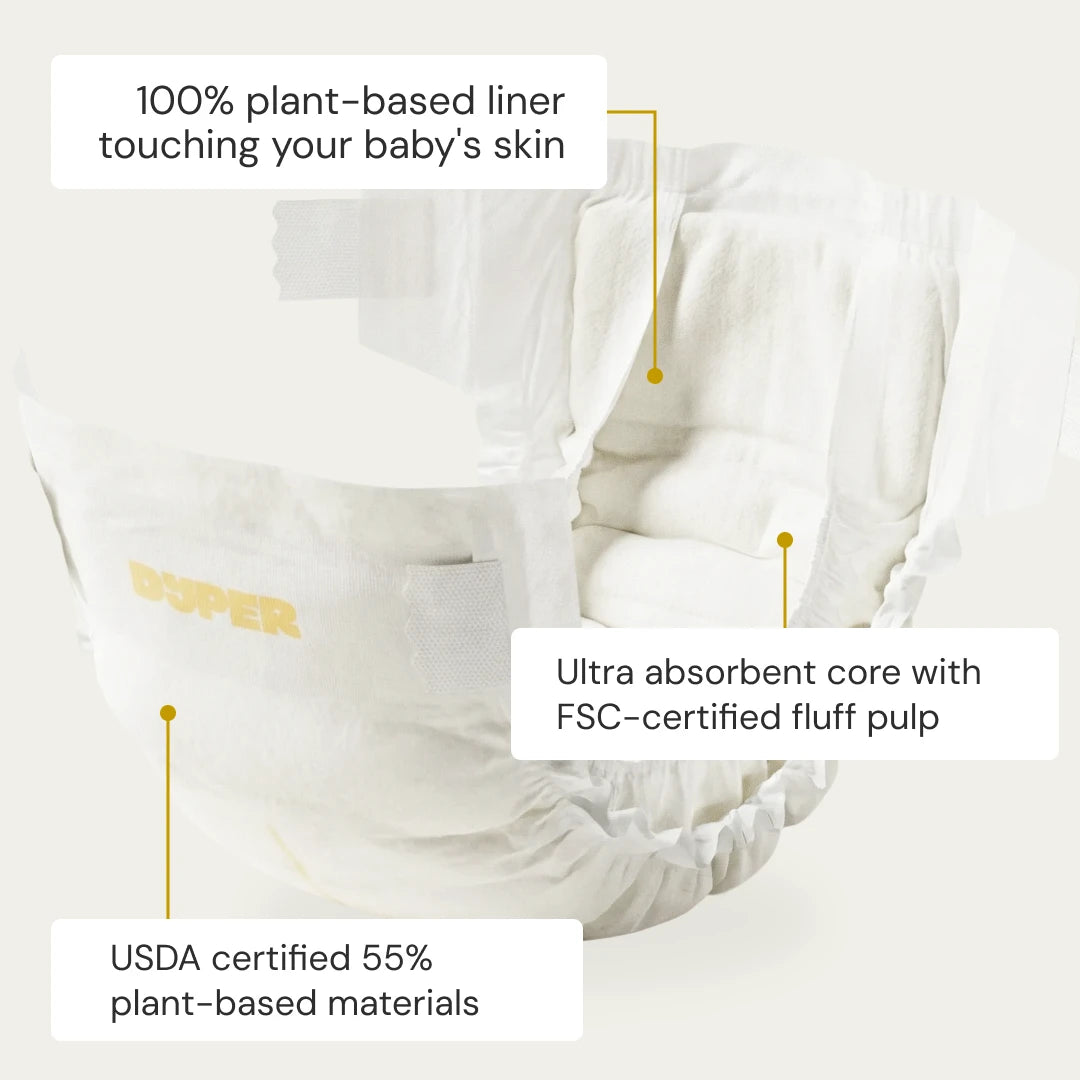
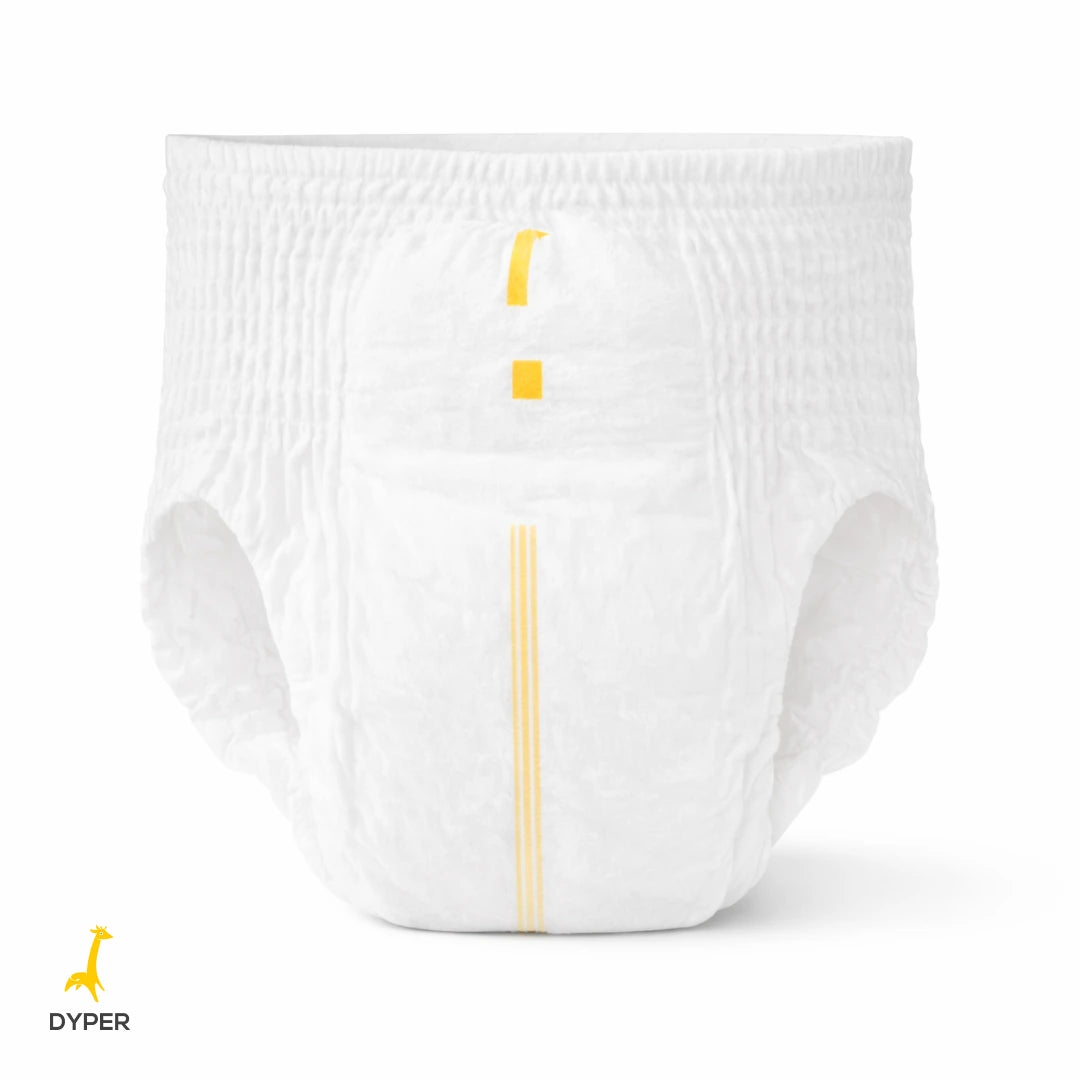
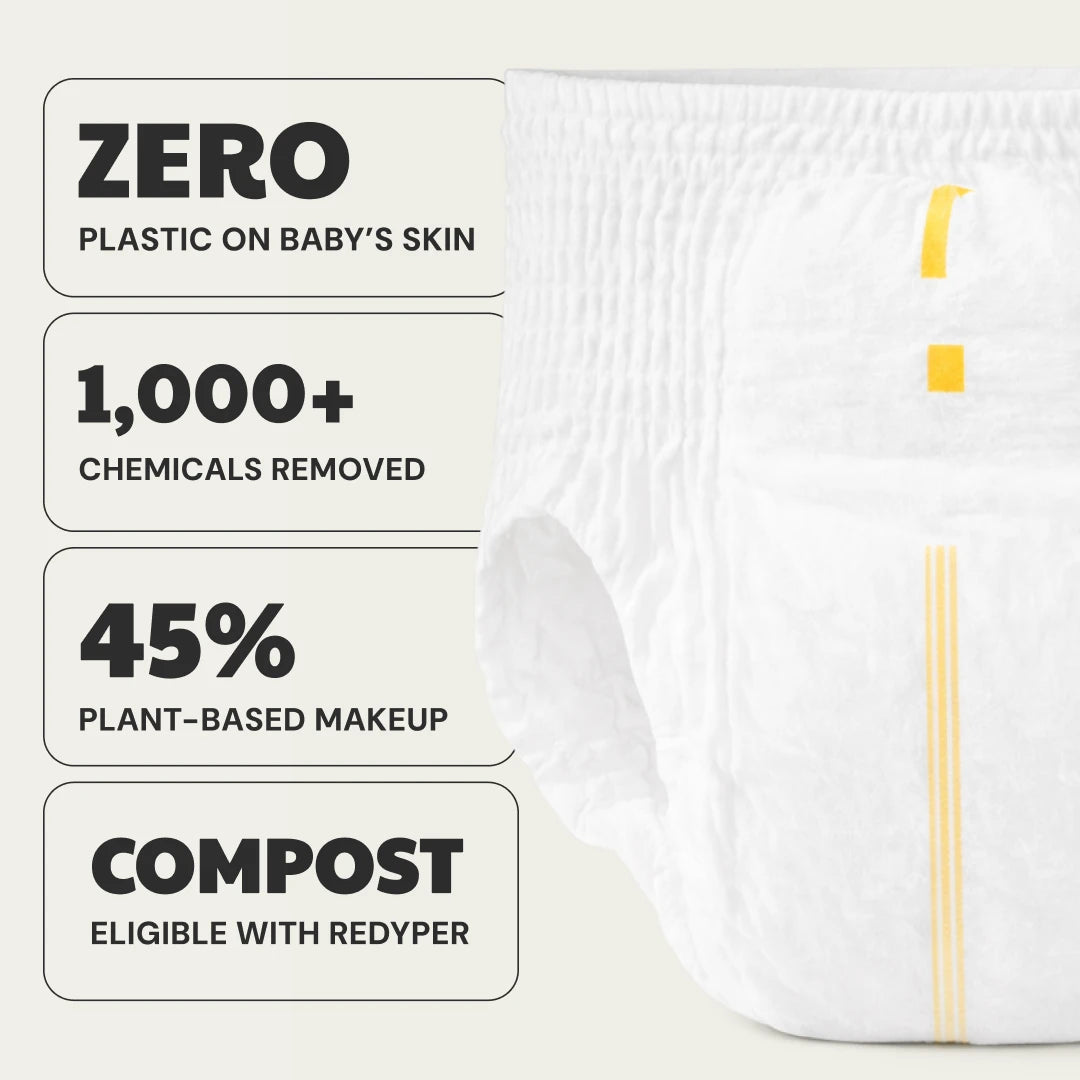
This is exactly why I appreciate what Dyper has built. While several brands have made strides toward "cleaner" formulations, none match the combination of plant-based materials and ingredient elimination that Dyper has achieved. Their diapers are made with a high amount of plant-based materials (the highest amount of gentle, plant based components of any diaper on the market) and they are formulated without added dyes, fragrance, lotion, or phthalates, with no added latex, parabens, or chlorine bleaching, either. That's not marketing language to me; it's the ingredient list I'd want to see on any product recommended to my most sensitive patients, especially those prone to eczema.
Charcoal Enhanced: Function & Skin-First Design
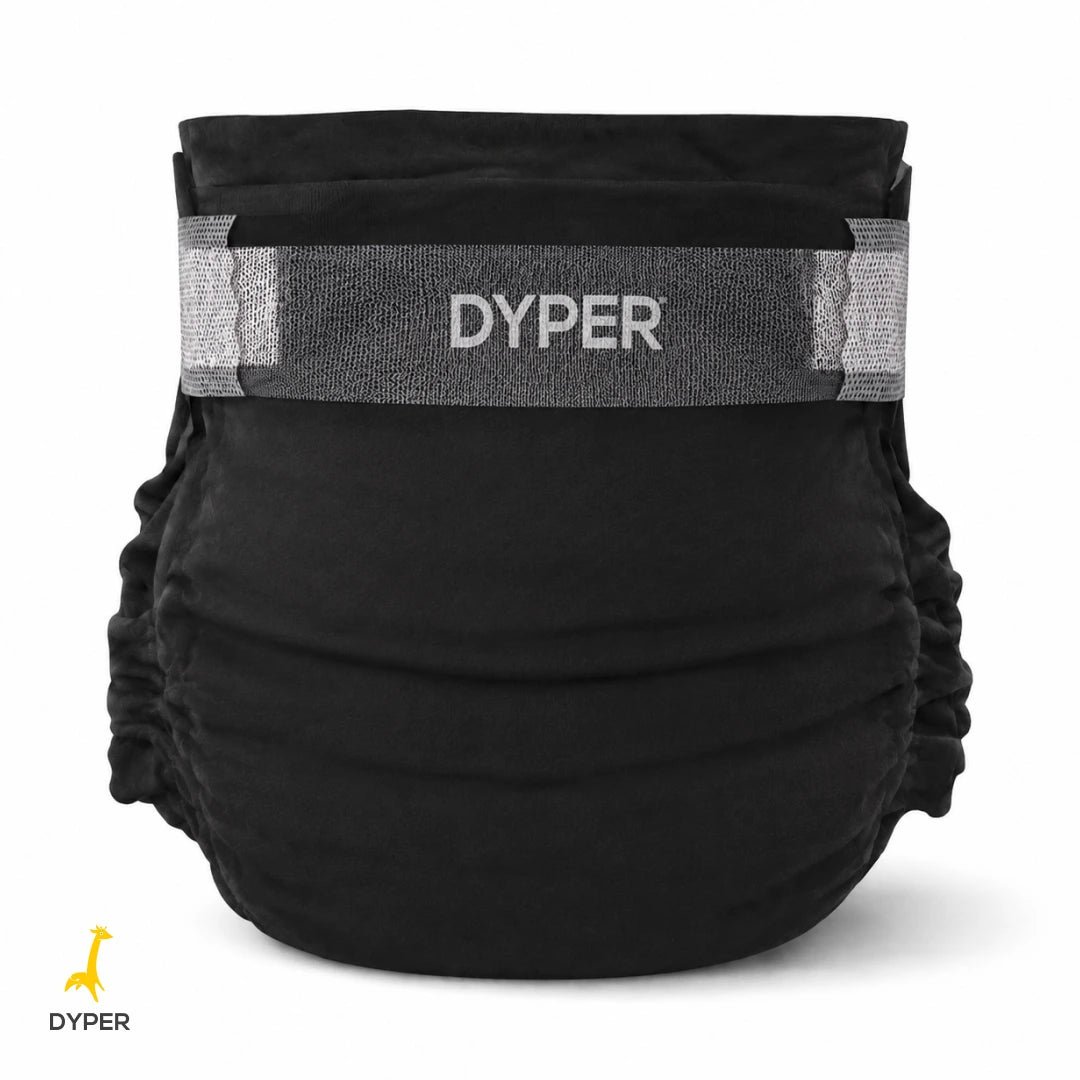
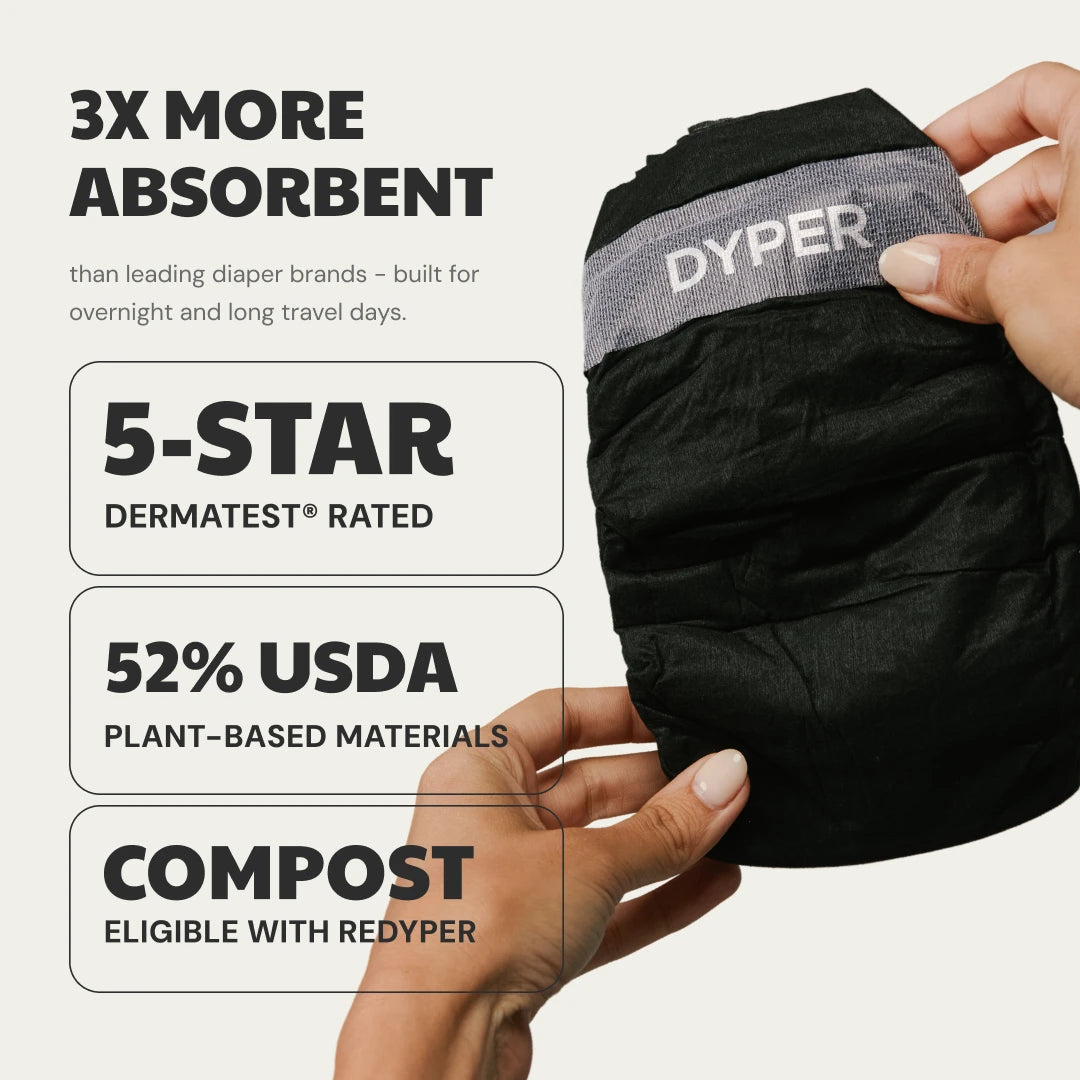
Dyper's Charcoal Enhanced version takes this a step further. Its core is designed for faster absorption, and its backsheet is enhanced with charcoal for odor control. The faster absorption is what matters clinically. Prolonged contact with moisture is one of the biggest drivers of diaper dermatitis, so a diaper that pulls wetness away from skin more effectively is doing real preventive work, not just offering a convenience for parents.
Many parents try switching to thicker or more absorbent overnight diapers from mainstream brands, but those often come with more plastic, and more additives, and not necessarily better skin outcomes. Dyper's Charcoal Enhanced diaper improves overnight performance without increasing irritants, which is a rare balance in the diaper category. Combined with the same skin-friendly, ingredient-conscious formulation as their Original diaper, it gives families two necessary and practical options - one for daytime and one for overnight. Both versions are at the top of my list and I'm genuinely comfortable recommending them for babies with sensitive or reactive skin.
This is the combination I look for - and that new moms should also be looking for: a diaper brand that has both the ingredient integrity and the functional performance dialed in, rather than sacrificing one for the other.
Intentional Sustainability
It's worth saying, too, that Dyper doesn't stop at skin safety. Their diapers use a higher percentage of plant-based materials than most disposables. And while other diaper brands may highlight sustainability through packaging or marketing language, none offer a true end-of-life solution for the diaper itself. Dyper's ReDyper™ composting service is the only option I've seen that gives families a meaningful way to reduce diaper waste, and a first in the disposable diaper category. For parents who care as much about their environmental footprint as they do about their baby's bottom, that's a meaningful bonus on top of a skin-first formula.
As a pediatric dermatologist and a parent myself, I don't take diaper recommendations lightly. Ingredients matter. For the skin your baby is in today, and for the world they'll grow up in.